Developing a fully automated robot to conduct the loading process of inland tank vessels
Konzept eines autonomen Beladeroboters für Binnentankschiffe mit Schwerpunkt auf sicheren und wiederholbaren Abläufen in Hafenbereichen.

Begutachtete wissenschaftliche Arbeiten, an denen ich mitgewirkt habe.
Konzept eines autonomen Beladeroboters für Binnentankschiffe mit Schwerpunkt auf sicheren und wiederholbaren Abläufen in Hafenbereichen.
Artikel, veröffentlicht im Jahr 2022.
Vollständige Buchübersetzungen, an denen ich eigenständig gearbeitet habe.
كيف تكتب على طريقة تشيخوف
Eine Zusammenstellung von Anton Tschechows Ratschlägen zum Schreiben aus seinen Briefen, Theaterstücken und Erzählungen. Das Werk betont Einfachheit, Authentizität und emotionale Zurückhaltung und zeigt, wie sich durch Beobachtung und Disziplin wahrhaftige Literatur gestalten lässt.
Im Rahmen des Übersetzungsprojekts Bayt Al Hikma 2.0 habe ich dazu beigetragen, diese wichtigen Werke auf Arabisch zugänglich zu machen.
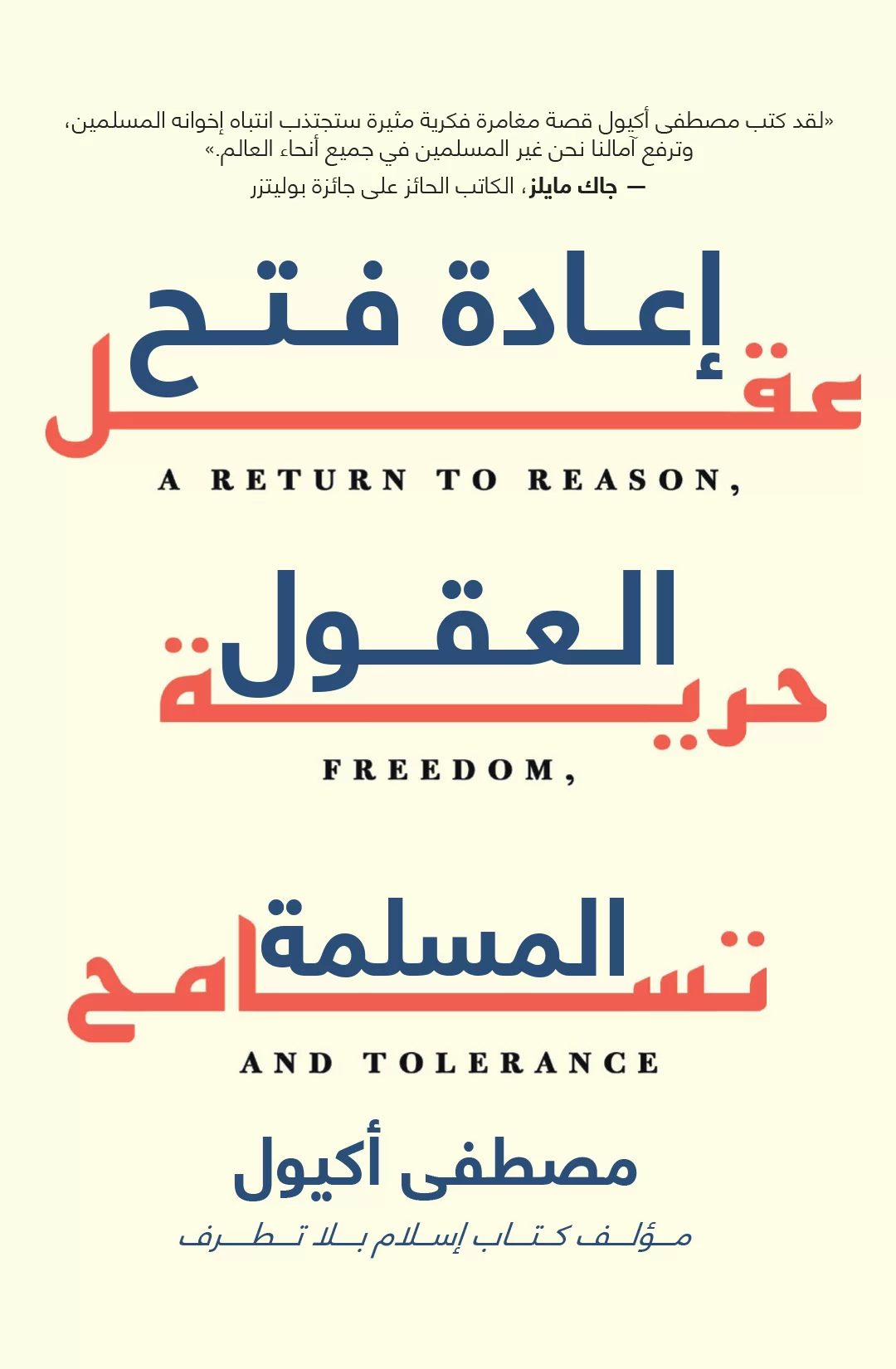
Akyol examines the intellectual history of Islam, arguing for a revival of reason, freedom, and tolerance by revisiting lost traditions of Islamic enlightenment. He advocates for an open, rational, and humane approach to contemporary Islamic thought.

This book investigates why the Middle East fell behind Europe economically, attributing the divergence to the region’s legal and institutional frameworks rooted in Islamic law, which limited economic development and modernization.

A concise guide to Ayn Rand’s controversial philosophy of Objectivism, her influence on individualism, capitalism, and her enduring legacy through works like Atlas Shrugged and The Fountainhead. The book explains her appeal and the debates surrounding her ideas.
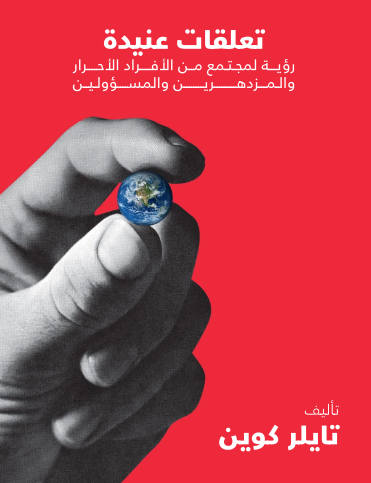
Cowen presents a moral and economic argument for prioritizing long-term economic growth, advocating for freedom, prosperity, and responsibility as the foundation of a flourishing society.

This book explores the psychological and evolutionary reasons behind religious belief, explaining why faith is a universal human phenomenon from a scientific perspective.

A memoir chronicling Parvez Sharma’s pilgrimage to Mecca as an openly gay Muslim, exploring the intersection of faith, sexuality, and the challenges faced within Wahhabi Islam and the broader Muslim world. The book offers a deeply personal account of defiance, spiritual searching, and critique of religious dogmatism.
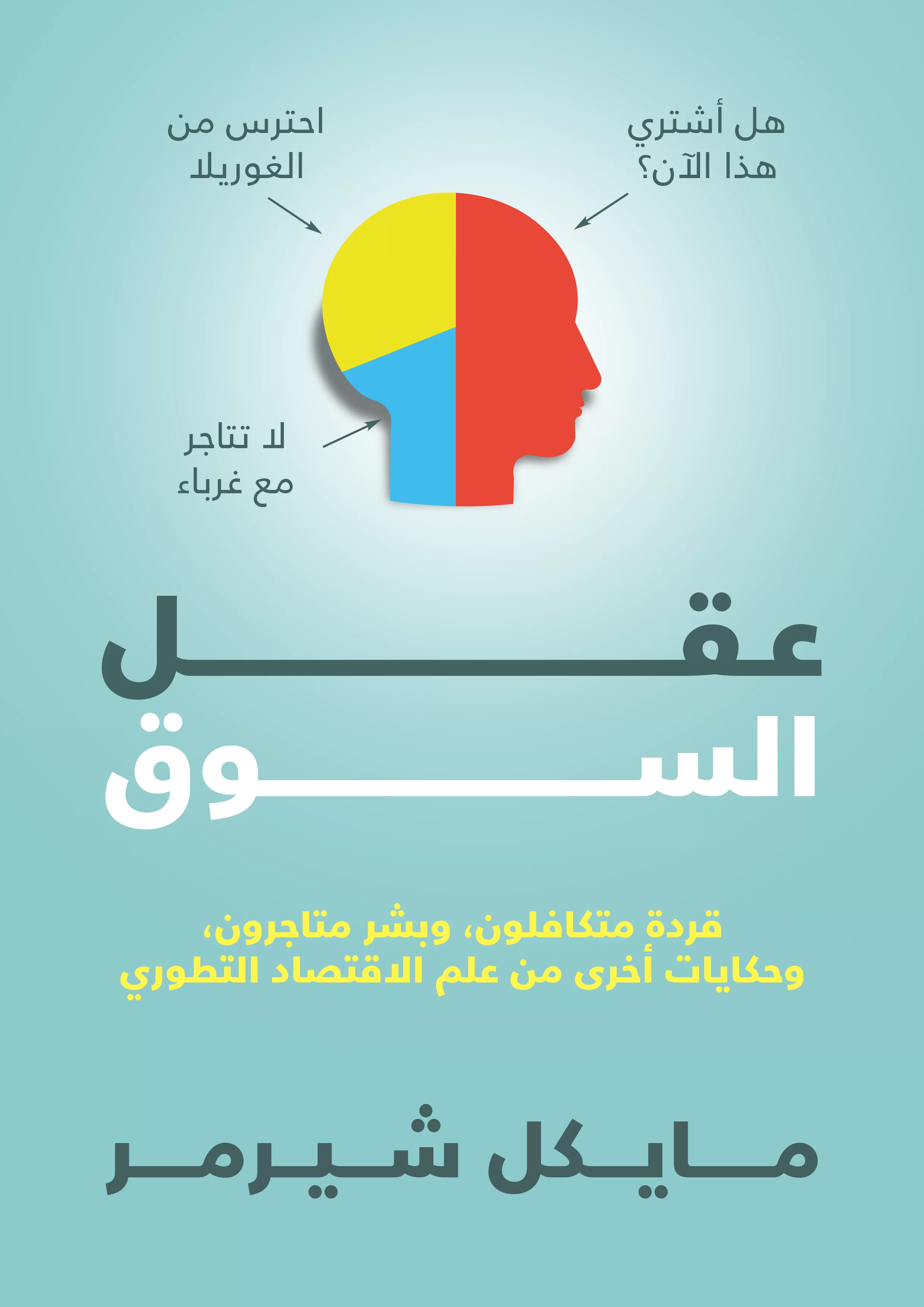
Shermer examines how evolutionary psychology and neuroscience shape our economic behavior, exploring the roots of morality, trust, and cooperation in markets.

A beginner’s guide to the principles of international trade and globalization, explaining how open markets benefit societies and the challenges globalization presents.
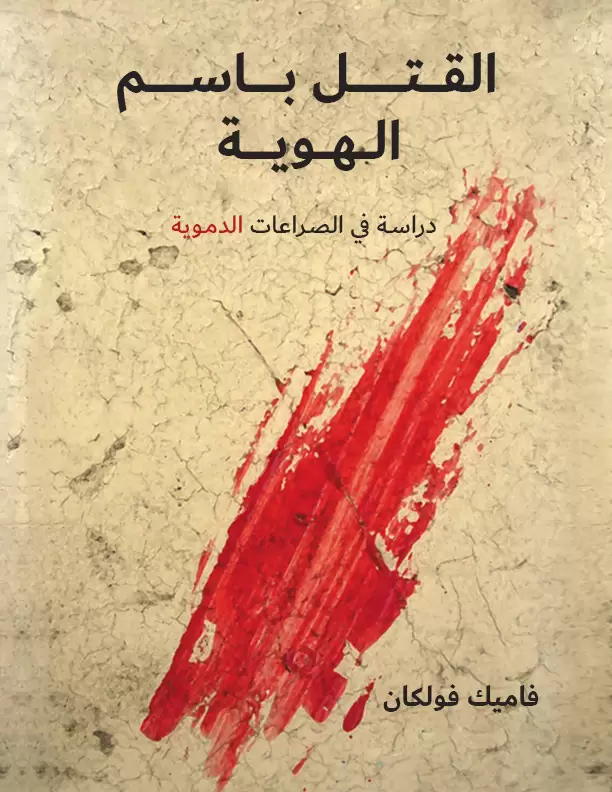
This book analyzes how group identity fuels violent conflicts, drawing from psychology and case studies to explain the roots of collective violence.
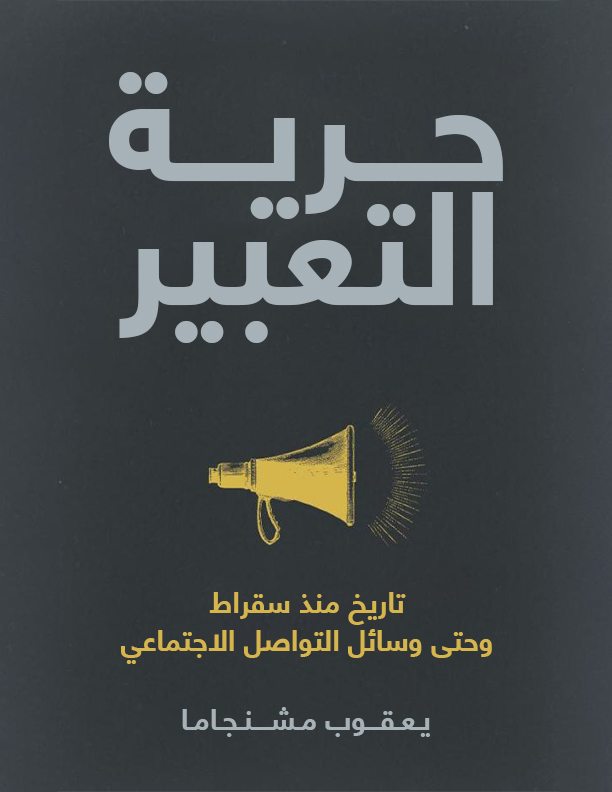
A sweeping history of free speech, tracing its evolution from ancient times to the digital age and examining the ongoing battles over expression worldwide.
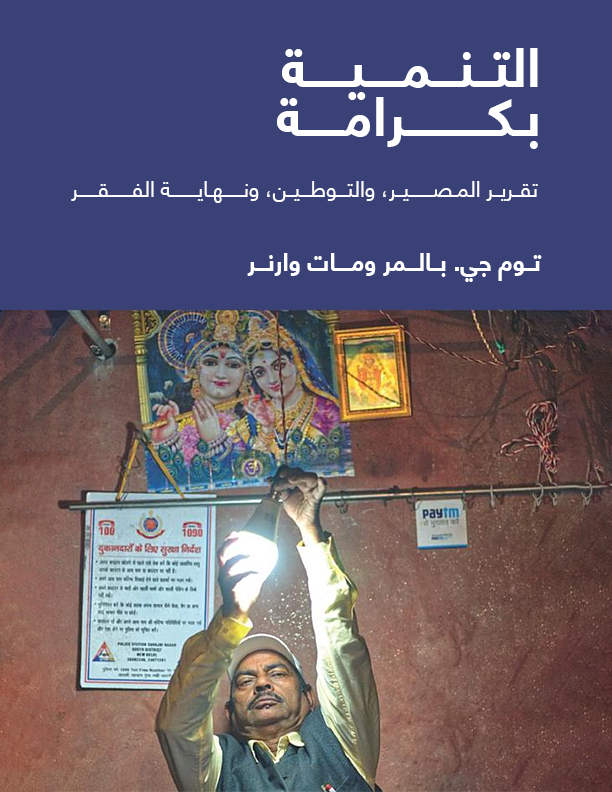
Palmer argues for development strategies that prioritize local decision-making, self-determination, and dignity, challenging top-down approaches to ending poverty.

A critical examination of creationist claims, debunking common misconceptions about evolution and science with evidence-based arguments.
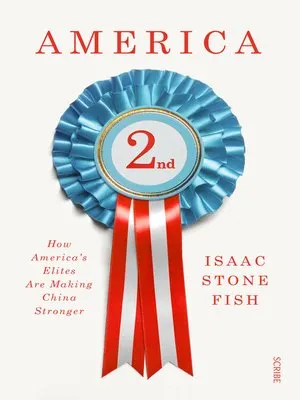
Fish investigates how American elites in business, academia, and politics have enabled China’s rise, sometimes at the expense of U.S. interests and values.